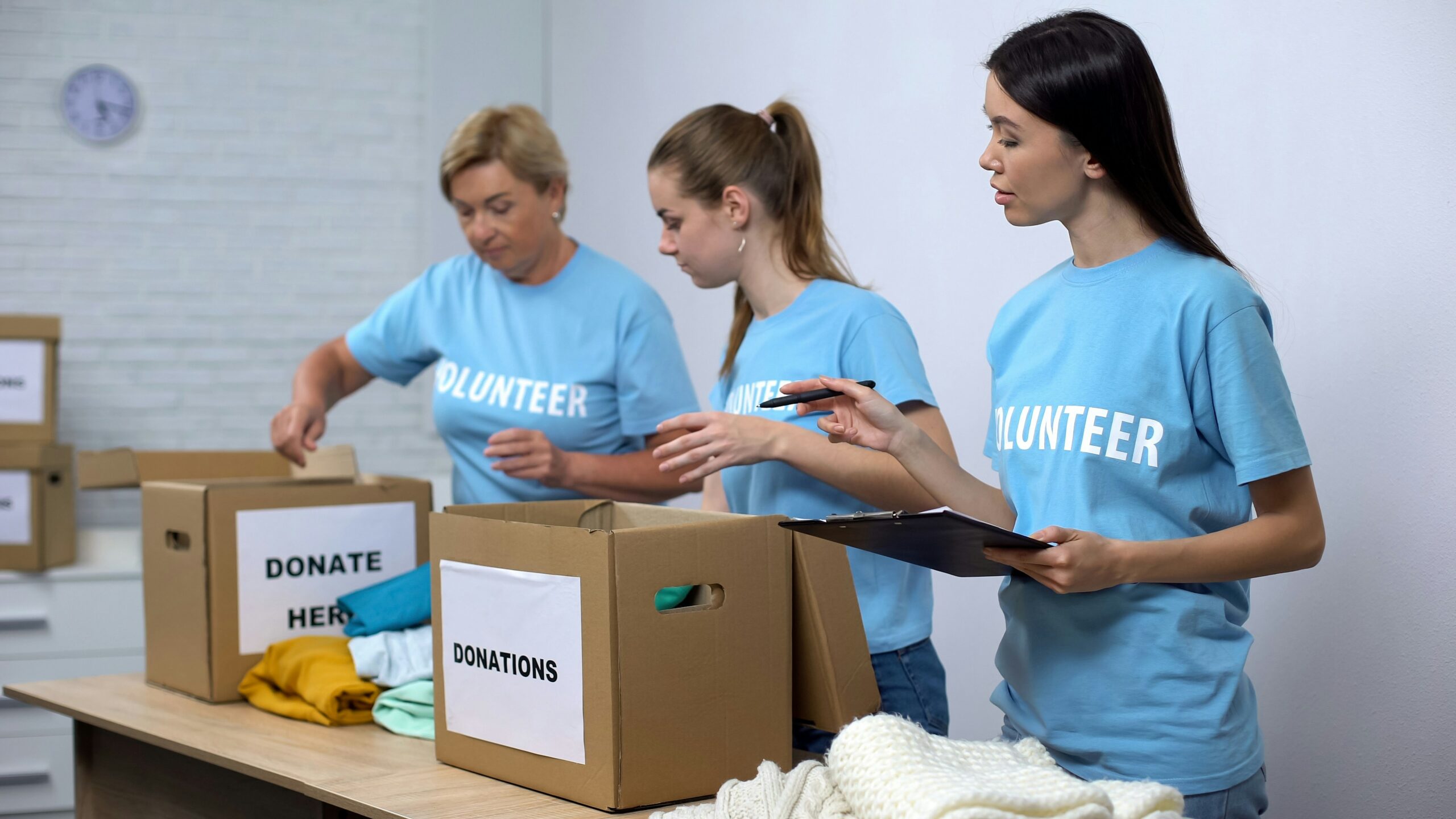
Serving on a volunteer board is one of the purest acts of leadership and service. At its best, it brings together committed people who care deeply about a cause, pooling their skills, time, and networks to create real change. But anyone who has served on one knows — volunteer boards can also become minefields of ego, dysfunction, and misplaced priorities.
Let’s talk about it.
When the Title Becomes the Trophy
There are people whose lives are defined by their board title—not by the impact of their work. For some, the board seat becomes the only “executive-level” title they’ll ever hold, and they cling to it like a lifeline. These individuals often confuse appearance with actual leadership.
They love the sound of “Board Member” on their LinkedIn bio or at their next dinner party more than they love the mission. They show up for photos and galas, not for strategy sessions or the hard, unglamorous work that moves the mission forward.
Beware the Self-Serving “Do-Gooder”
Then there’s the self-serving narcissist — the one masquerading as a do-gooder. You know the type: they talk endlessly about “helping these people,” but rarely listen to the very community they claim to serve. Their philanthropy is performative. Their empathy is conditional. And every act of “service” seems to come with a camera, a caption, or a networking angle.
These individuals aren’t motivated by the organization’s success — they’re motivated by how the affiliation makes them look. In meetings, they dominate rather than collaborate. In the media, they speak for rather than with the community. And in the end, their presence drains energy from the mission rather than fueling it.
The Best Board Members Are Grounded in the Work
The best volunteer board members are those who are part of — or proximate to — the community being served. They understand the lived realities of the people the organization exists to support. They ask better questions because they know what’s at stake. They center humility, not hierarchy. They listen more than they speak.
Great board members don’t serve for status. They serve for impact. They don’t need the spotlight because the results speak for themselves.
Building Boards That Work
Strong boards start with intentional recruitment and clear expectations. Organizations must look beyond résumés and titles to assess character, motivation, and cultural fit. Do potential members understand the mission? Do they respect the community? Are they willing to do the work quietly when no one’s watching?
Diverse boards — in thought, background, and lived experience — produce better outcomes. But diversity without alignment, accountability, and shared purpose is chaos in disguise.
Final Thought
Volunteer boards can be transformative forces for good — or cautionary tales of ego and imbalance. The difference lies in who’s at the table and why they’re there.
If you’re joining or leading a volunteer board, remember: service is not a brand. It’s a responsibility.
Desiree Peterkin Bell serves on several boards and commissions. She is a member of the Board of Directors of the A Better Chance Strath Haven Board, a member of the Black Excellence Society Advisory Committee, and a National Team Member of the State of the People Power Tour.